
Telecom
Cloud computing offers numerous advantages to telecom operators, enabling them to improve agility, scalability, and cost-efficiency while launching innovative services and enhancing customer experience
Studies show that telecom industry has undergone significant transformation with the adoption of cloud computing technologies. Cloud computing offers numerous advantages to telecom operators, enabling them to improve agility, scalability, and cost-efficiency while launching innovative services and enhancing customer experience. VPSie’s cloud computing offering can transform the telecom industry by enabling operators to build more agile, scalable, and innovative networks and services. By embracing cloud technologies, telecom operators can drive operational efficiencies, accelerate innovation, and deliver superior customer experiences in an increasingly competitive and dynamic market landscape.
Software-Defined Networking (SDN)
SDN complements NFV by providing programmable network infrastructure that can be dynamically configured and managed through software. SDN enables telecom operators to optimize network performance, automate provisioning and management tasks, and implement policy-based controls to meet changing requirements. By leveraging cloud-based SDN solutions, telecom operators can create more agile, scalable, and cost-effective networks that can adapt to evolving demands and support innovative services.

Edge Computing
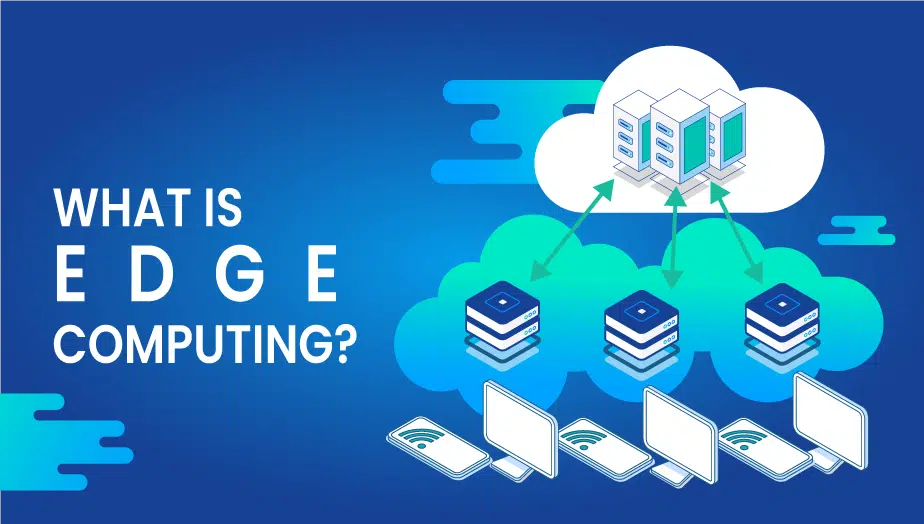
Telecom operators are increasingly embracing edge computing, where compute, storage, and networking resources are decentralized and located closer to end-users and devices. Cloud-based edge computing platforms enable telecom operators to deliver low-latency, high-bandwidth services and applications, such as IoT (Internet of Things), augmented reality (AR), virtual reality (VR), and real-time video streaming. Edge computing also enables telecom operators to offload traffic from centralized data centers, reduce network congestion, and improve overall performance and user experience.
Cloud-Based Services
Telecom operators are expanding their service portfolios to include cloud-based offerings such as Infrastructure as a Service (IaaS), Platform as a Service (PaaS), and Software as a Service (SaaS). By leveraging cloud platforms, telecom operators can provide customers with scalable, on-demand computing resources, development platforms, and productivity applications, enabling them to reduce IT infrastructure costs, accelerate time-to-market, and focus on core business activities.
5G Network Deployment and Orchestration
Cloud computing plays a crucial role in the deployment and orchestration of 5G networks, which require highly flexible, scalable, and programmable infrastructure to support diverse use cases and applications. Cloud-based orchestration platforms enable telecom operators to dynamically provision and manage network resources, optimize network performance, and deliver differentiated services tailored to specific vertical industries and customer requirements.


Big Data Analytics and AI/ML
Predictive maintenance
Cloud-based AI/ML platforms support predictive maintenance, network optimization, and anomaly detection. This helps operators reduce operational costs and downtime.
Extract Insights
Telecom operators use cloud-based big data analytics and AI/ML technologies to extract insights from network and customer data. These insights help improve network planning, optimize resource allocation, enhance customer experience, and personalize services
Infrastructure management
Big data analytics in the telecom industry also enables efficient network infrastructure management and increased revenues. Real-time analysis allows operators to monitor and resolve network issues, adjust maintenance schedules, and provide proactive care.
Security and Compliance
Cloud computing providers invest heavily in security measures and compliance certifications to protect customer data and ensure regulatory compliance. Telecom operators leverage cloud-based security solutions to secure their networks, applications, and data against cyber threats, unauthorized access, and data breaches. Cloud-based security services offer advanced threat detection, encryption, identity and access management, and compliance auditing capabilities, enabling operators to strengthen their security posture and mitigate risks effectively.
Give it a Try Today
Feel free to reach out using the below details.
TELECOM
VPSie’s cloud computing offering can transform the telecom industry by enabling operators to build more agile, scalable, and innovative networks and services. By embracing cloud technologies, telecom operators can drive operational efficiencies, accelerate innovation, and deliver superior customer experiences in an increasingly competitive and dynamic market landscape.

Predictive maintenance
Leverage cloud-based AI/ML for predictive maintenance, reducing costs and minimizing downtime

Extract insights
Utilize cloud analytics to gain valuable insights, enhancing network planning and personalizing customer experiences

Infrastructure management
Optimize network infrastructure with real-time analytics for proactive issue resolution and increased revenue


In the control panel and API
- Private cloud at your sites
- Deploy the VPSie platform on hardware in your own data centers and consolidate infrastructure onto one orchestration layer.
- Software-defined private networks
- Create VPC private networks with your own address ranges and gateways, attach them to VMs and Kubernetes clusters, and change them through the API.
- Kubernetes for network services
- Run managed Kubernetes clusters with node groups and version upgrades.
- Automation through the API
- Provision servers, storage, networks and clusters from your own systems with a REST API and long-lived tokens restricted by IP.
- Monitoring and alerts
- Set monitoring rules with composite conditions on your servers and attach notification actions so your NOC hears about problems first.
- Data stays in your control
- Keep subscriber and network data in your own facility with private cloud, or in the public region you choose.
Automate it with the API
Create and scale clusters from your own orchestration tools.
Read the Kubernetes API referencePOST /apps/v2/k8s/create/cluster POST /apps/v2/k8s/cluster/add/group GET /apps/v2/k8s/upgrade/versions/{clusterId} POST /apps/v2/k8s/upgrade/version/cluster/{clusterId} GET /apps/v2/k8s/cluster/config/byId/{identifier}