
Finance
Both Private and Public cloud computing can bring several benefits to the finance sector, where data security, compliance, and reliability are critical. VPSie various offerings provides financial institutions with a secure, compliant, and customizable platform to store, manage, and analyze sensitive data while supporting critical financial operations effectively.
Data Security and Compliance
Like healthcare, the finance industry deals with highly sensitive data subject to stringent regulatory requirements such as GDPR (General Data Protection Regulation) in the EU and PCI DSS (Payment Card Industry Data Security Standard). Private cloud infrastructure allows financial institutions to maintain control over their data, ensuring it remains within their secure environment. This level of control enhances security and helps organizations comply with regulatory standards by implementing custom security measures and access controls.
Regulatory Compliance
Cloud computing provides government agencies with the ability to scale resources up or down quickly in response to changing demands. This scalability allows agencies to handle fluctuations in workload more efficiently, whether it’s managing increased demand during peak times or scaling down during periods of lower activity. Cloud services also offer flexibility in deploying new applications and services rapidly, helping agencies to innovate and adapt to evolving needs more effectively.
Disaster Recovery and Business Continuity
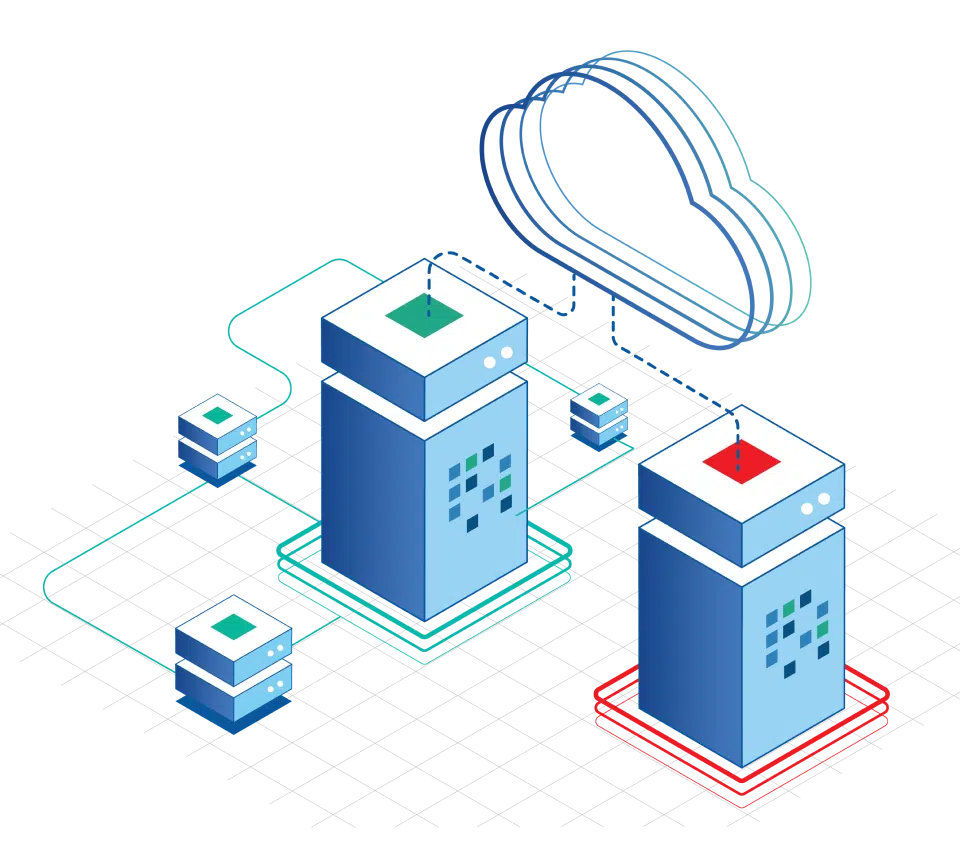
Private clouds offer robust disaster recovery and business continuity capabilities, enabling financial institutions to quickly recover from data loss or system failures. By replicating data and applications across geographically diverse locations, private clouds provide resilience against unforeseen events such as natural disasters, cyberattacks, or hardware failures.
Performance and Reliability
Private cloud environments typically offer higher performance and reliability compared to public clouds due to dedicated resources and specialized infrastructure. This is crucial in the finance sector where systems must be highly available, responsive, and resilient to support critical operations such as trading, risk management, and customer service.
Data Sovereignty
In the finance industry, data sovereignty is often a significant concern, particularly when dealing with cross-border transactions and regulatory requirements. Private cloud solutions enable financial institutions to maintain control over the geographic location of their data, ensuring compliance with local data protection laws and regulations while mitigating risks associated with data residency and cross-border data transfers.
Customization and Scalability
Private clouds can be customized to the unique needs of financial institutions, providing tailored solutions that align with specific workflows, applications, and security requirements. Additionally, private clouds offer scalability to accommodate fluctuating demands, allowing financial organizations to scale resources up or down as needed without sacrificing performance or security.
Cost Efficiency
While private cloud infrastructure may require higher upfront investment compared to public cloud services, it can offer cost efficiencies over the long term, especially for large financial institutions. By optimizing resource utilization, streamlining operations, and avoiding the need for costly compliance audits or data migration efforts, private clouds can deliver significant cost savings over time.

Give it a Try Today
Feel free to reach out using the below details.
Data Sovereignty
Empower your data with unmatched control, ensuring compliance and security in every transaction

Cost Efficiency
Optimize resources for maximum savings, driving down costs while enhancing operational effectiveness


In the control panel and API
- Data sovereignty
- Choose the region your data lives in, or keep it in your own facility with private cloud, to meet local data protection rules for cross-border business.
- Private cloud on your hardware
- Run the VPSie platform in your own data center for core systems that must stay on premises.
- Access control and audit
- ACL roles, read-only resource actions, two-factor authentication and per-project user access, with activity and audit logs you can read through the API.
- Two-way disaster recovery
- Disaster recovery groups snapshot VMs into another datacenter where DR is enabled. Reverse DR makes recovery snapshots bi-directional between sites.
- Backup and retention policies
- Attach backup and snapshot policies to servers and set how long each keeps its data. Snapshots are free.
- Locked-down API tokens
- Automate with long-lived API tokens that can be restricted to approved IP addresses and deactivated at any time.
Automate it with the API
Set up recovery across datacenters from your own runbooks and automation.
Read the Disaster Recovery API referencePOST /apps/v2/disaster-recovery-policies {maxSnapshots} POST /apps/v2/disaster-recovery-groups POST /apps/v2/disaster-recovery-groups/{groupIdentifier}/vm/{vmIdentifier} GET /apps/v2/vms/{vmId}/disaster-recovery POST /apps/v2/vms/{vmId}/snapshots/{snapshotId}/recover